



Blog
Kitchen Renovation Timeline: What Affects the Schedule in NYC

How long does a kitchen renovation take in NYC? The honest answer is that no single number fits, because the schedule depends less on the construction itself than on what happens around it: design decisions, building approval, permits, and the time cabinets and countertops take to arrive. This guide breaks the kitchen renovation timeline into its stages, explains what stretches each one, and shows how to ask for a schedule you can actually plan around. It is written for apartment owners in co-ops and condos, and for managers planning kitchen work.
Why There Is No Single Number
Online estimates for a kitchen renovation vary widely, and they usually differ because the projects differ. A refresh that keeps the layout and replaces surfaces is a different job from a full rebuild with new plumbing and electrical lines. Four things decide where your project falls:
- Scope. Keeping the layout is faster than moving the sink, stove, or walls.
- Building rules. Approval windows, work hours, and elevator access differ from one building to the next.
- Lead times. Custom cabinets, stone countertops, and special-order appliances can take longer to arrive than the work takes to do.
- Hidden conditions. Old pipes, wiring, and walls often look fine until they are opened.
Because of this, treat any single number you read as a starting point for questions, not a promise. A reliable schedule comes from your scope, your building, and your order dates.
The Kitchen Renovation Stages in Order
1. Planning, design, and selections
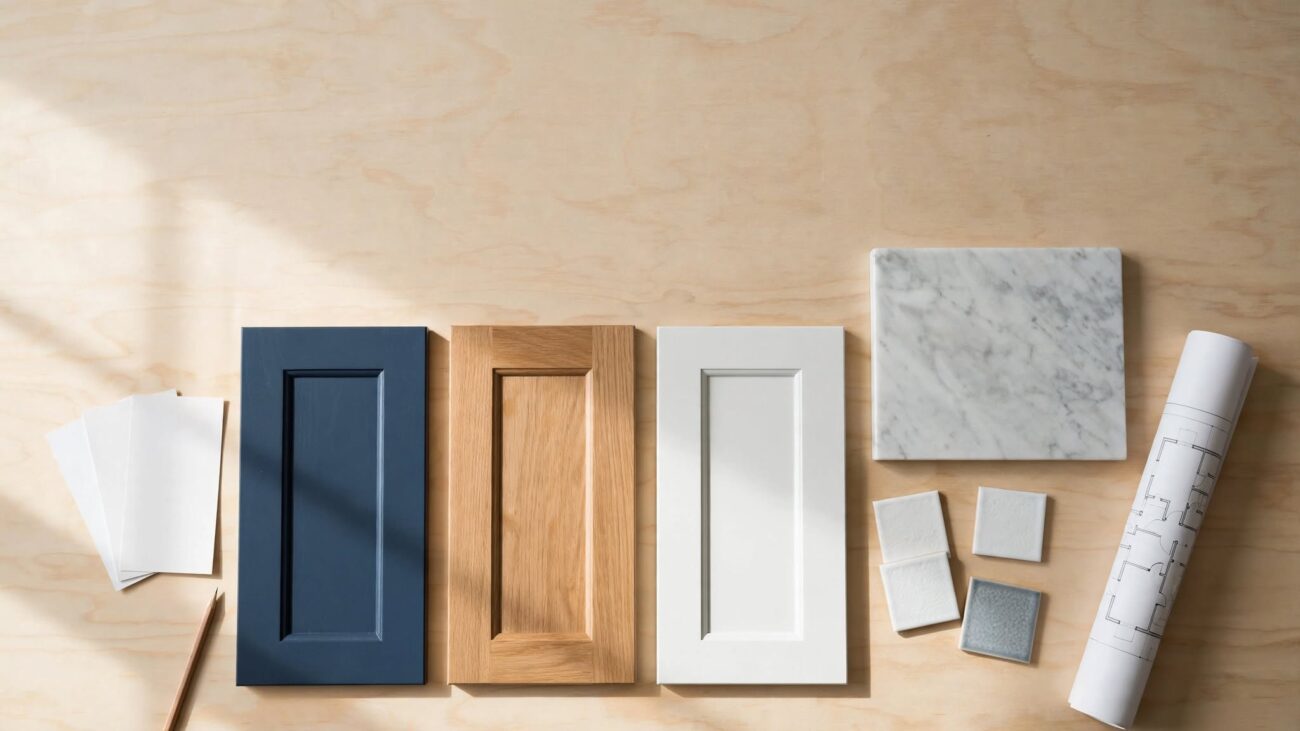
Decide the layout, cabinets, appliances, countertops, and finishes before anything is ordered. Appliance dimensions drive cabinet sizes, so changing a refrigerator or range late can force changes elsewhere. This stage has no fixed length, and it is the one you control most.
2. Building approval and permits
Most co-ops and condos require an approved alteration agreement or renovation application for kitchen work, usually with drawings, a scope of work, and a certificate of insurance (COI). If plumbing, gas, or electrical lines move, or walls change, the work typically needs DOB permits filed by licensed professionals. Review windows can take weeks and sometimes longer, so this stage often sets the start date. Ask the managing agent for the current rules before you design anything.
3. Ordering and lead times
Once the design and approvals are settled, cabinets, appliances, and special-order items are ordered. Custom or imported items usually have the longest waits, and some cannot be ordered until measurements are confirmed. Ask for lead times in writing and plan where deliveries will be stored.
4. Demolition and rough-in
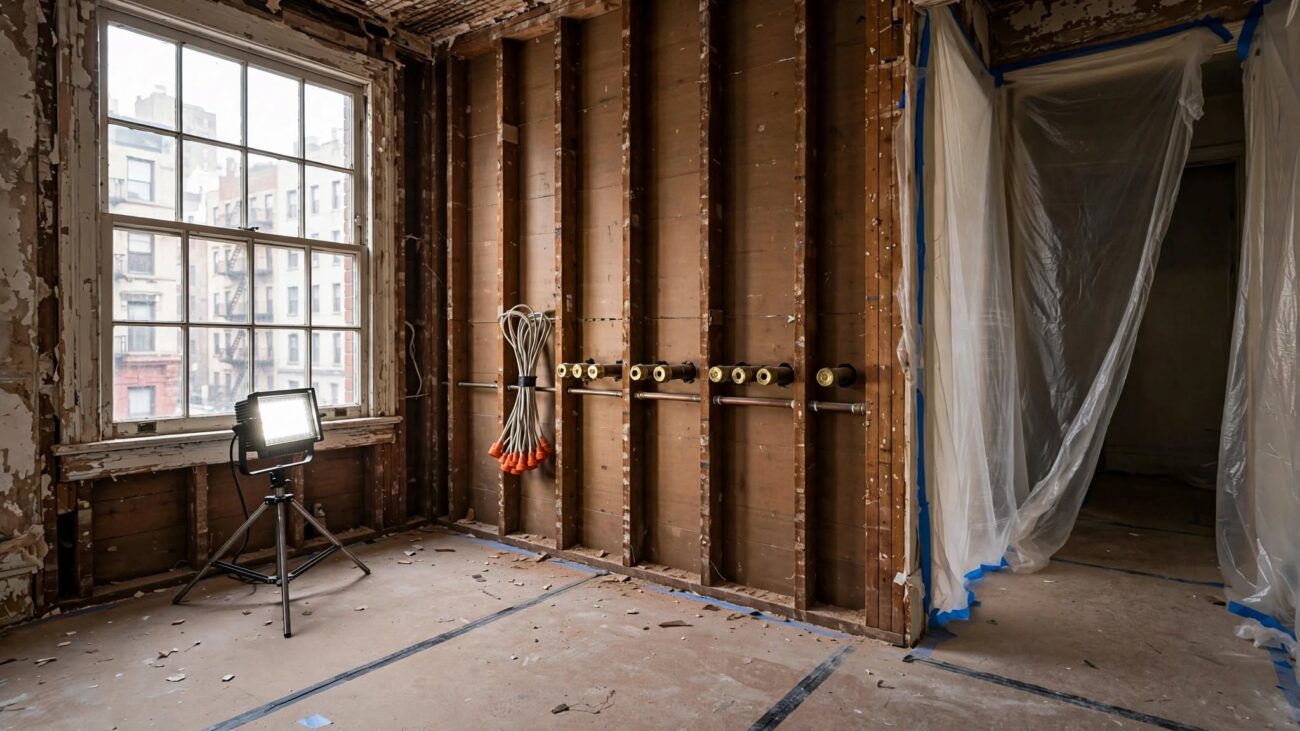
Demolition removes the old kitchen, and licensed trades then rough in plumbing, electrical, and gas as the scope requires. Common areas are protected, debris is removed on the building’s schedule, and permitted work may need inspections before walls are closed. In older buildings, this is also when hidden conditions surface.
5. Walls, ceilings, and paint
After rough-in, walls and ceilings are closed and repaired. Drywall work needs time for joint compound to dry between coats, followed by priming and painting. Doing this before cabinets are installed protects the new finishes.
6. Cabinets and countertops
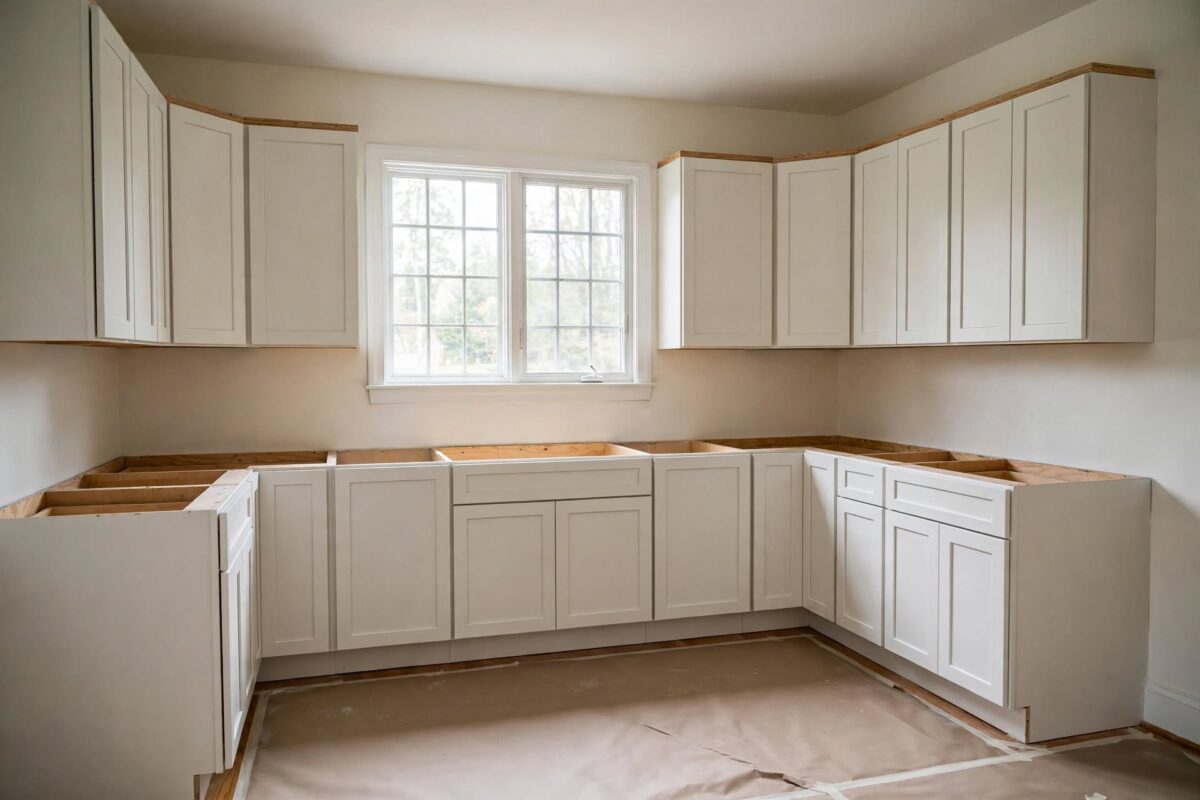
Cabinets are installed first. Countertops are usually measured after the cabinets are set and then fabricated, which creates a wait that surprises many owners. A plan that shows this gap avoids paying for a crew that has nothing to do.
7. Backsplash, fixtures, and final connections
With countertops in place, the backsplash, sink, faucet, appliances, and lighting are installed and connected. Final inspections, where required, happen here.
8. Punch list and handover
Touch-ups, adjustments, and a final clean close the project. A written punch list agreed at a walkthrough keeps small items from dragging on.
What Makes a Kitchen Project Take Longer
- Hidden conditions. Corroded pipes, outdated wiring, or damaged walls found after demolition can add repairs and sometimes new approvals. In housing built before 1978, paid work that disturbs paint falls under EPA’s lead-safe renovation rules.
- Special-order items. A late change of cabinet style, appliance model, or countertop material can restart the wait.
- Moving plumbing or gas. Relocating the sink, range, or water line adds permits and trade coordination.
- Slow responses. Waiting for answers from the board, managing agent, architect, or fabricator pauses everything behind it.
- Change orders. Every addition after work begins needs a written price and a stated effect on the schedule.
- Access limits. Limited work hours, elevator reservations, and delivery windows stretch each stage.
Building Rules That Affect the Calendar
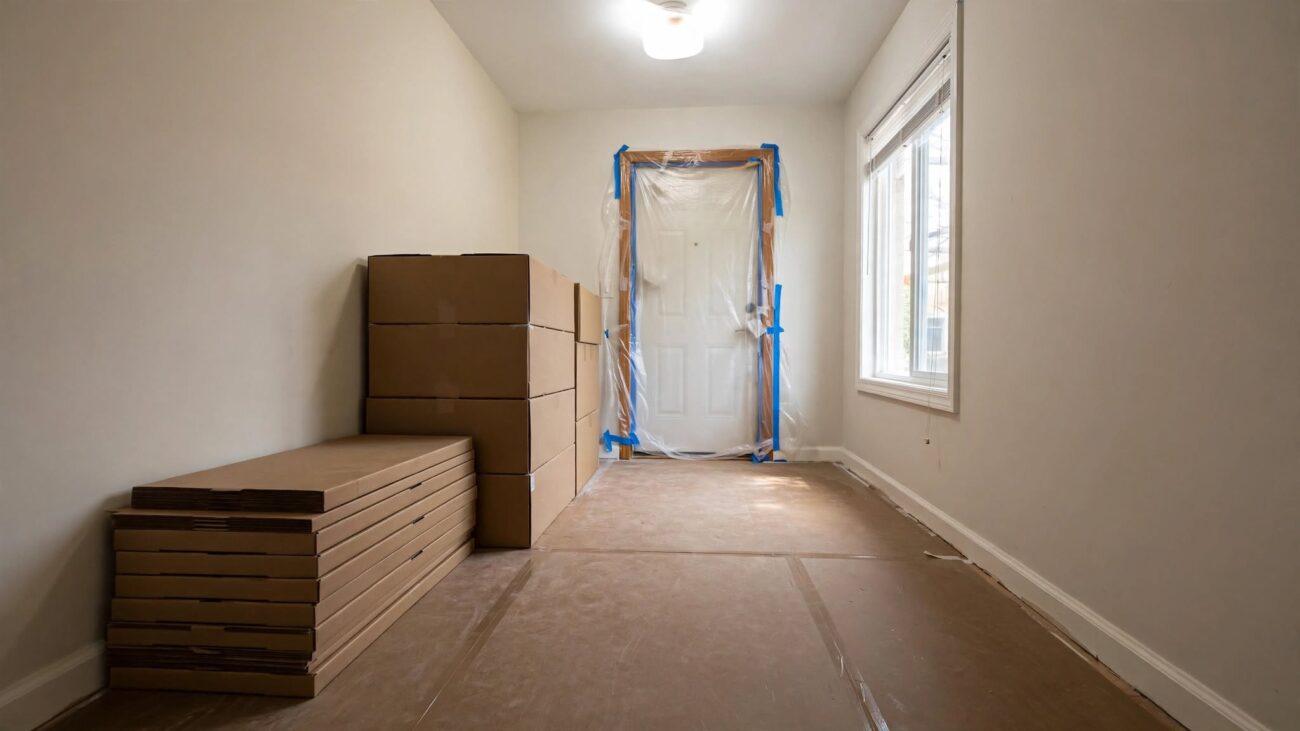
Ask the managing agent for the renovation guidelines before you set dates. Some buildings limit total project duration and charge for overruns, so a realistic schedule matters beyond planning. Others restrict work on certain dates or during certain hours. Typical requirements include a certificate of insurance naming the building, an elevator reservation for deliveries and debris, floor and hallway protection, and quiet hours.
Our guide to condo renovations explains how alteration agreements and insurance certificates work, and the same steps apply to most co-ops.
How to Keep Your Kitchen Renovation on Schedule
- Get the building’s rules first. They define the earliest possible start.
- Finalize selections before ordering. Late changes cost more time than money.
- Ask for lead times in writing for cabinets, appliances, and countertops, and order as soon as approvals allow.
- Ask for a staged schedule, not a single end date, showing approvals, ordering, construction, and countertop fabrication separately.
- Confirm who files permits and who communicates with the board and managing agent.
- Add a buffer. Plan for something to take longer than expected, especially in older buildings.
- Plan a temporary kitchen. Many owners stay in the apartment, so a small setup with a microwave, a kettle, and a place to wash dishes avoids frustration.
Can a Kitchen Be Refreshed Faster?
Sometimes. If the layout works and the cabinet boxes are sound, you can update doors, hardware, surfaces, and paint without a full rebuild. Architectural film wraps can renew cabinet fronts without demolition, and painting and surface repairs change how the room looks. This route usually involves fewer approvals and shorter lead times, although some buildings still require notice.
A refresh does not change the layout or fix failing plumbing or waterproofing. If cabinets are swollen or the layout no longer works, a full kitchen renovation is the better long-term choice.
Working With Vanta Surfaces
We handle kitchen renovations for apartment owners and property managers in New York City, from refreshes to full rebuilds, and we work within the building’s insurance and access requirements. We provide a written scope with materials, schedule, and price, and we suggest asking any contractor for a staged schedule like the one described above.
See our guide on how to vet a remodeling contractor for what to request before you hire, and our cabinetry and millwork service if cabinets are part of your plan.
Kitchen Renovation Timeline: Frequently Asked Questions
How long does a kitchen renovation take in NYC?
It depends on scope, building approval, permits, and lead times, so no single number fits. Construction itself is only one part of the schedule: design, approval, and ordering come first, and countertop fabrication happens in the middle. Ask for a staged schedule that separates these phases, and confirm your building’s rules on project length before you set dates.
Do I need a permit for a kitchen renovation in NYC?
It depends on the scope. Replacing cabinets, surfaces, and finishes in the same layout often does not need a DOB permit, while moving plumbing, gas, or electrical lines, or changing walls, typically does. Permit work is filed by licensed professionals, and a co-op or condo board has its own approval. Ask your architect or expeditor, and check the NYC Department of Buildings website.
Can I live in my apartment during a kitchen renovation?
Many owners do, especially for shorter projects, but expect noise, dust, and days without a working sink or stove. Set up a temporary kitchen, ask the contractor to protect floors and contain dust, and confirm when water and gas will be off. For longer rebuilds, some owners arrange to stay elsewhere for part of the project.
What causes the most delays in a kitchen renovation?
The most common causes are waiting for building approval, late changes to selections, special-order items arriving later than planned, and surprises found after demolition, such as old pipes or damaged walls. Written lead times, early decisions, and a buffer in the schedule reduce the risk. Written change orders keep additions from becoming open-ended delays.
When should I order cabinets and appliances?
As soon as the design is final and your building’s approval allows it, because lead times are often longer than the construction. Confirm appliance dimensions before cabinets are ordered, and check where deliveries can be stored. Countertops are usually measured after the cabinets are installed, so plan that gap into the schedule.
Can a kitchen be updated without a full renovation?
Yes, if the layout works and the cabinet boxes are sound. Architectural film wraps, new hardware, painting, and surface repairs can change a kitchen’s look with fewer approvals and shorter waits. It will not fix failing plumbing, waterproofing, or a layout that no longer suits you, in which case a full renovation makes more sense.
How do I request a kitchen renovation estimate?
Send photos of the kitchen, the building address, a list of what you want to change, and your building’s renovation guidelines through the form on this page, or call (646) 664-1696. Ask for a written scope with materials, a staged schedule, and a price, so you can compare quotes on equal terms.