



Blog
How to Plan a Bathroom Renovation in an NYC Co-op

Renovating a bathroom in an NYC co-op is a different project from renovating the same room in a house. The room sits on shared plumbing, next to or above your neighbors, and almost every change needs the board’s approval before a single tile is touched. This guide explains how the process works: what the board looks at, why wet areas get special attention, how waterproofing and plumbing are handled, and how to plan the schedule and the questions to ask your contractor. It covers the co-op bathroom renovation process, and most points apply to condos as well.

What Makes a Co-op Bathroom Renovation Different
A bathroom is one of the most regulated rooms in an apartment renovation, because it combines plumbing, waterproofing, and electrical work in a small space that sits close to your neighbors. In a co-op, four things set it apart from a project in a house:
- Shared plumbing. Drain stacks, supply risers, and shutoff valves usually serve several apartments, so work on your pipes can affect others.
- Neighbors above and below. A leak travels down, and so do the damage and the liability.
- Board approval. Most co-ops require approval before work begins, and the board decides what is allowed.
- Licensed trades. Plumbing and electrical work must be done by licensed professionals, and some changes need permits.
Condo boards are often similar. Our guide to condo renovations covers alteration agreements and insurance certificates in more detail.
Board Approval and the Alteration Agreement
Most co-ops and condos require an approved alteration agreement or renovation application before bathroom work starts. The package usually includes a description or drawings of the work, the contractor’s certificate of insurance (COI), and the schedule. Some buildings also ask for review by their own architect or engineer, charge review fees, or require a deposit, so ask the managing agent for the current rules before you design anything.
Approval can take weeks and sometimes longer, and boards may attach conditions such as work hours, elevator use, and protection of common areas. Do not order custom items or schedule demolition until the approval is in writing.
Wet Areas, Plumbing, and the Wet-Over-Dry Rule
The wet-over-dry rule
Many co-ops do not allow wet areas, such as bathrooms and kitchens, to be moved over a neighbor’s living space, especially bedrooms and living rooms, because leaks do the most damage there. A bathroom that stays where it is, with fixtures in roughly the same places, is usually the easiest plan to get approved. If you want to move the toilet, tub, or shower, ask the managing agent whether the building’s rules allow it before you pay for drawings.
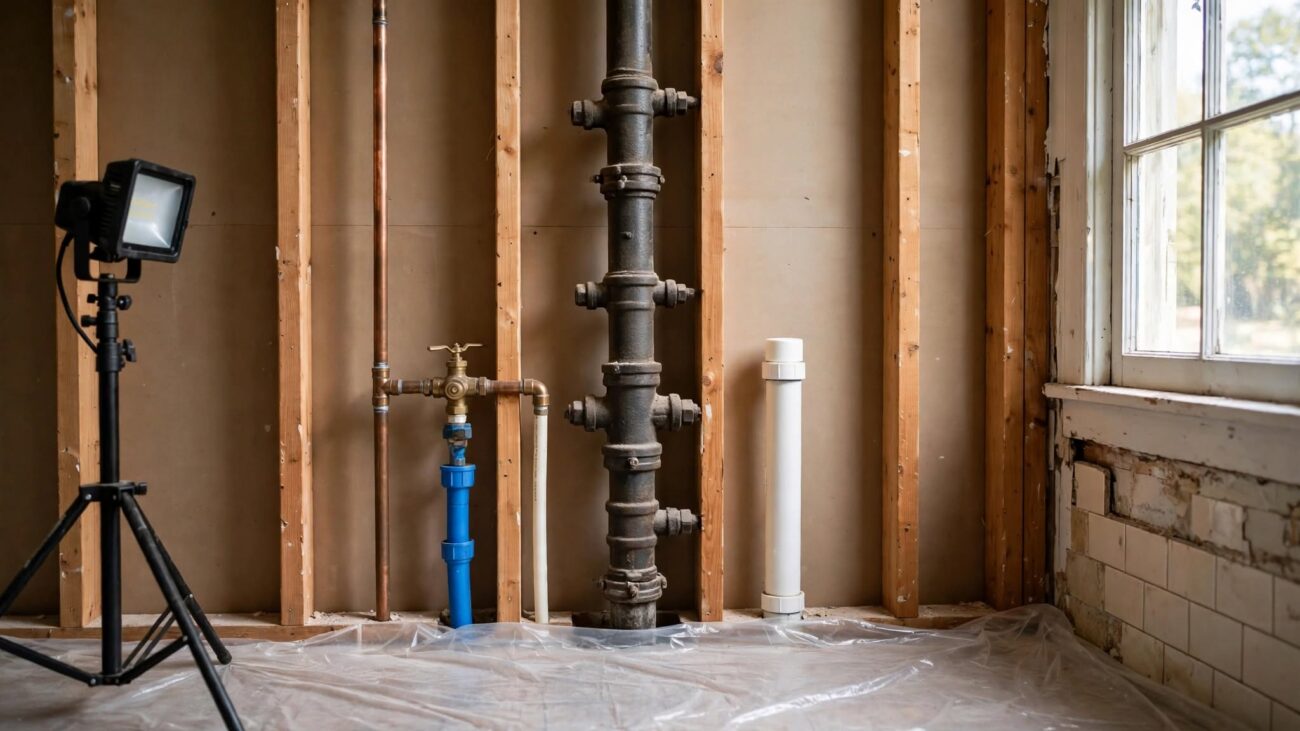
Shared pipes and shutoffs
Because risers and stacks are shared, the water supply often has to be shut off through the building, and that has to be scheduled with the superintendent. Ask early when the water will be off and for how long, so neighbors are notified and the work can be planned around it.
Licensed plumbers and permits
Replacing a vanity, toilet, or faucet in the same location often does not need a permit, while moving drain or supply lines typically does. Permit work is filed by licensed professionals. Ask your architect or expeditor what applies to your scope, and check the NYC Department of Buildings website for current rules.
Waterproofing and Tile
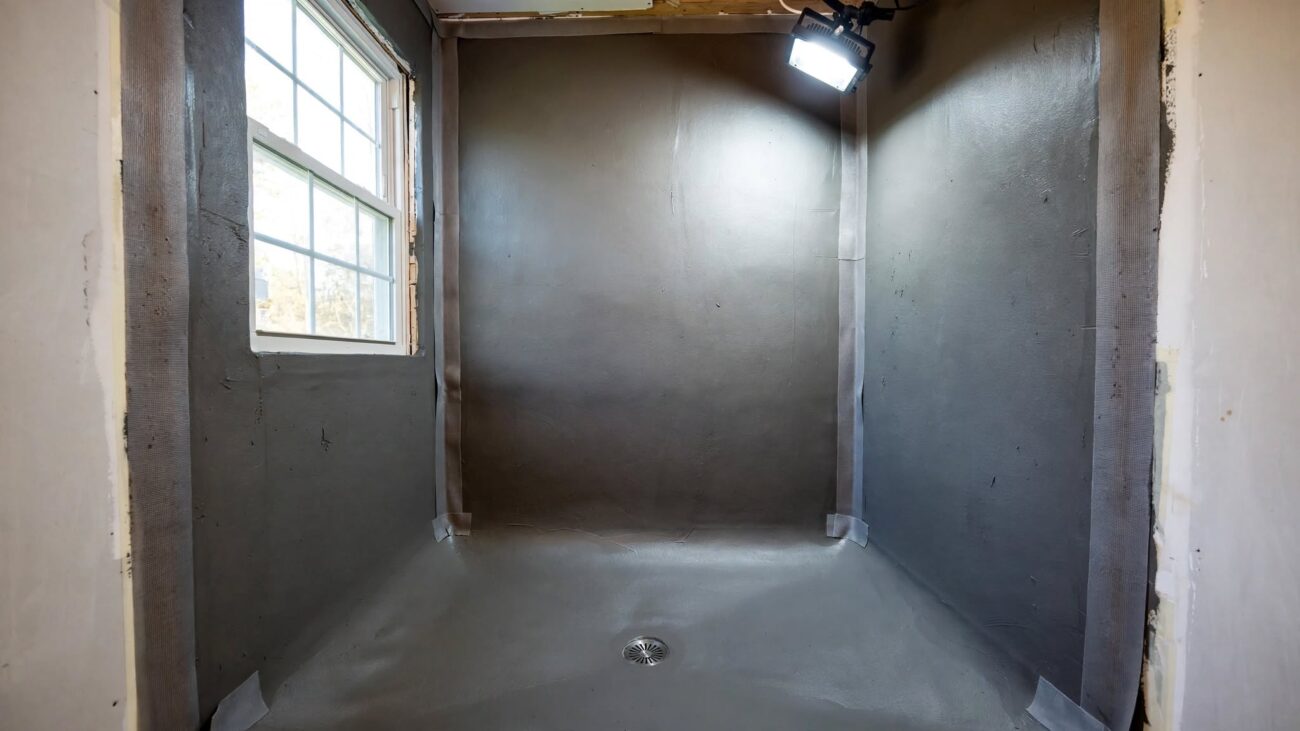
Waterproofing is the detail that matters most in a bathroom, because a failure shows up in the apartment below. In a shower, a waterproofing system sits under the tile and covers the floor and walls, with seams and penetrations sealed. The tile and grout are the finish, not the barrier.
- Ask what system is used and have it described in the written scope.
- Allow time to cure. Membranes, tile adhesive, and grout need time to set before the shower is used, and rushing them is a common cause of failure.
- Ask about testing. Some contractors test the shower floor for leaks before the tile goes down. If yours does, ask for it to be part of the process.
- Do not forget ventilation. Bathrooms need a working exhaust fan or window to keep moisture from damaging the finishes. Confirm what your building and the code require.
Refresh or Rebuild?
If the layout works and the waterproofing is sound, a refresh can change a bathroom with less disruption: a new vanity, fixtures, lighting, paint, and fresh caulk and grout. If tile is cracked, grout keeps failing, or you see water damage around the tub or on the ceiling below, the problem is behind the surface, and a full rebuild is the better long-term choice.
Our bathroom renovation service covers both. If the bathroom is part of a larger project, a full home renovation schedules it together with the kitchen and other rooms.
Planning the Schedule and Building Logistics
A bathroom project moves through the same stages as other room renovations: approval, ordering, demolition and rough-in, waterproofing and tile, fixtures, and a final punch list. Tile, vanities, and special fixtures can take time to arrive, so order as soon as the board allows it. Our kitchen renovation timeline guide explains how these stages fit together, and the logic is the same for a bathroom.
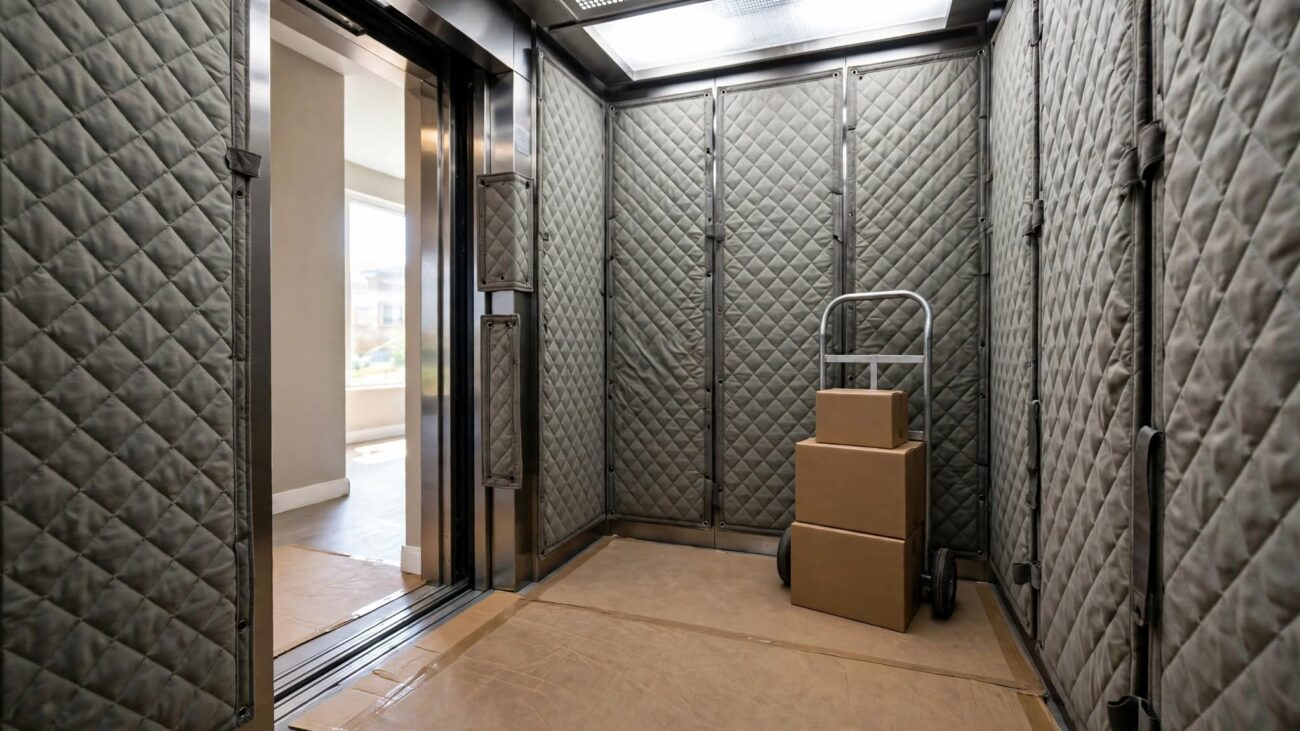
Plan for building logistics too: elevator reservations for deliveries and debris, work hours, protection of hallways, and noise limits. If the apartment has only one bathroom, think about where you will wash and use a toilet while it is out of service, because that period is longer than most owners expect.
Older Buildings: Lead, Asbestos, and Hidden Conditions
Behind old tile and plaster, bathrooms often hide corroded pipes, rotted framing, or past leaks, and these can add repairs and new approvals once the walls are opened. In housing built before 1978, paid work that disturbs painted surfaces falls under EPA’s lead-safe renovation rules. Some older plasters, adhesives, and other materials have also contained asbestos, so ask your architect or contractor whether testing is needed before demolition in an older building.
What to Ask Your Contractor
- Are you licensed and insured, and can you provide the certificate of insurance the building requires?
- Who prepares and submits the board paperwork, and who talks to the managing agent?
- Who performs the plumbing, and who files permits if they are needed?
- What waterproofing system do you use, and how is it tested and cured?
- Can you give me a staged schedule that shows approval, ordering, construction, and curing separately?
- How are changes priced and approved, and will they be in writing?
- What warranty terms apply, in writing?
Our guide on how to vet a remodeling contractor explains what to request and why.
Working With Vanta Surfaces
We handle bathroom renovations for apartment owners and property managers in New York City, from refreshes to full rebuilds, and we work within the building’s insurance and access requirements. We provide a written scope with materials, schedule, and price. Tell us your building’s renovation rules and send photos of the bathroom, and we will reply with next steps.
Co-op Bathroom Renovation: Frequently Asked Questions
Do I need board approval to renovate a bathroom in a co-op?
Almost always. Most co-ops require an approved alteration agreement or renovation application before any bathroom work starts, even when the layout stays the same, and some require approval for cosmetic changes as well. Ask the managing agent for the current rules and forms, and do not order custom items or schedule demolition until you have approval in writing.
What is the wet-over-dry rule?
It is a common building rule that wet areas, such as bathrooms and kitchens, may not be placed over another apartment’s living space, because a leak does the most damage there. Rules differ by building, so ask the managing agent whether moving a toilet, tub, or shower is allowed before you pay for drawings.
Can I move the toilet, shower, or sink?
Sometimes, but it is the part of a bathroom project most likely to be limited or refused. Moving fixtures usually means moving drain and supply lines, which can require board approval, licensed plumbers, and DOB permits. Keeping fixtures roughly in place is the simplest route. Ask your architect or expeditor early, before you commit to a design.
Do I need a permit for a bathroom renovation in NYC?
It depends on the scope. Replacing a vanity, toilet, or faucet in the same location often does not need a DOB permit, while moving drain or supply lines typically does, and the work is filed by licensed professionals. A co-op or condo board has its own approval as well. Check with your architect or expeditor and the NYC Department of Buildings website.
How is a shower waterproofed, and why does it matter?
A waterproofing system sits under the tile and covers the shower floor and walls, with seams and penetrations sealed, while the tile and grout serve as the finish. It matters because a failure shows up in the apartment below, with damage and liability. Ask which system is used, how it is tested, and how long it needs to cure.
Can I use my bathroom during the renovation?
No, not while it is being demolished and rebuilt, and the shower may stay unusable for a while after the tile is set, while the materials cure. Water may also be shut off for periods. If you have only one bathroom, plan an alternative before work starts, and ask your contractor for the dates when water will be off.
How do I request a bathroom renovation estimate?
Send photos of the bathroom, the building address, and your building’s renovation guidelines through the form on this page, or call (646) 664-1696. Tell us whether you plan to keep the layout, and ask for a written scope with materials, a staged schedule, and a price, so you can compare quotes on equal terms.